
Prep Like a Pro: FAQ

By: Columbia Coatings Staff

Published: June 2, 2026

Related Posts & Articles

Prep Like a Pro: FAQ

By: Columbia Coatings Staff

Published: June 2, 2026

Welcome to our Frequently Asked Questions page! This resource is designed to evolve alongside our…

Read Full Article
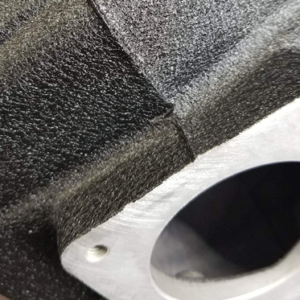
Close-up of black wrinkle powder coating on an automotive intake manifold showing dense, consistent texture
Properly cured black wrinkle finish on an automotive component. Note the tight, uniform texture across the surface, the hallmark of correct film thickness and a fully preheated oven.

Wrinkle Powder Coating: How It Works and How to Get It Right

By: Columbia Coatings Staff

Published: May 17, 2026

This guide is written for coaters who want to understand what’s actually happening when wrinkle…

Read Full Article

Heat Advisory

By: Columbia Coatings Staff

Published: May 7, 2026

ATTENTION: Powder is VERY heat sensitive. Due to the high heat index, Columbia Coatings recommends selecting an expedited…

Read Full Article

How to Earn and Use Your Rewards Points

By: Columbia Coatings Staff

Published: April 22, 2026

Level Up Your Shop: The Columbia Coatings Rewards Breakdown!  Stop just buying, start earning. At…

Read Full Article

Understanding Powder Coating Primers and Their Applications

By: Columbia Coatings Staff

Published: February 11, 2025

While primers are not required for all projects, they can serve as a foundation for…

Read Full Article

Choosing the Right Spray Nozzle

By: Columbia Coatings Staff

Published: February 6, 2025

Having the right tools for the job is crucial for achieving professional looking results. One…

Read Full Article

Understanding Kilovolts & Microamps and How Are They Used in Powder Coating?

By: Columbia Coatings Staff

Published: January 20, 2025

The electrostatic charge is a core component of the powder coating process. It is used…

Read Full Article

Can I Coat Over an Older Powder Coating?

By: Columbia Coatings Staff

Published: January 20, 2025

Deciding whether you can coat over an older powder coating is an important consideration for…

Read Full Article

The Importance of Grounding in Powder Coating

By: Columbia Coatings Staff

Published: October 10, 2024

Grounding is a critical component of the powder coating process, enabling the efficient transfer of…

Read Full Article

The Critical Role of Well-Maintained Powder and Equipment

By: Columbia Coatings Staff

Published: October 10, 2024

The consistency of your coating application and the overall productivity of your business hinge on…

Read Full Article

Welcome to our Frequently Asked Questions page! This resource is designed to evolve alongside our progress and community needs. We’ll be updating this page regularly with new information and answers, so be sure to check back often for the latest updates.

Why does prep matter?

Prep matters because almost every common powder coating failure starts before powder is ever applied. Peeling, fish eyes, adhesion problems, corrosion under the coating, premature failure in the field. These are not powder problems most of the time. They are prep problems.

Powder coating works by bonding to a properly prepared metal surface. If that surface has oil on it, the powder will not stick correctly. If the surface has old coating still on it, the new coating bonds to the old coating instead of the metal. If the surface has not been chemically converted, the powder sits on top instead of bonding into the metal.

Prep is what turns a raw or used part into a surface that powder can actually adhere to. When prep is done well, coatings last. When prep is skipped, rushed, or run with the wrong chemistry, the failure shows up later, usually in a place that costs you money. Warranty calls, rework, customers who do not come back.

That is why prep matters more than most shops give it credit for. It is not glamorous. It is not the part anyone takes photos of. But it is the part that determines whether the work actually holds up.