 on all powder orders $150 or more!
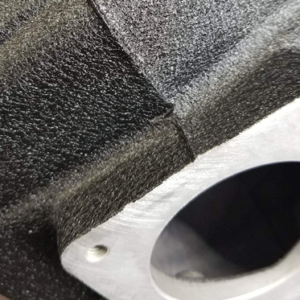


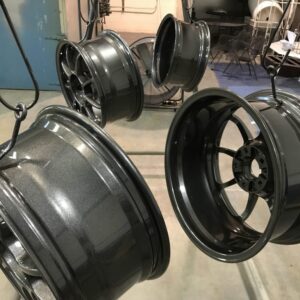
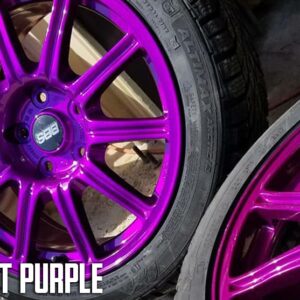

Dormant powder coatings, also known as illusion powders, offer a unique visual effect that transforms before your eyes. Initially, they appear as a dull, metallic finish, but with the application of a clear top coat, their true color and effect emerge, revealing a deep, rich, multi-dimensional finish.
How it Works
The process involves an initial layer of dormant powder, followed by a clear coat that activates the underlying colors and effects, creating a stunning visual transformation. By incorporating metallic flakes, dormant/illusion powders can produce a shimmering effect that changes appearance based on the viewing angle and lighting conditions.
Advantages
- The color remains vibrant and doesn’t become uneven, unless the clear coat was applied improperly.
- Dormants/illusions can give a similar appearance to more difficult colors, such as candies, which are easier to apply.
- Despite being epoxy coatings, these powders exhibit added UV resistance and improved weathering capabilities due to the additional protection provided by the clear coat.
- Customization options for distinctive appearances (e.g., applying Matte Clear to give an anodized look).
Disadvantages
- More intricate application requiring a two-coat process.
- Requires precise control over temperature, application, and curing times.
- Requires a partial cure process to yield the best results possible.
- If the clear coat is applied too thin, adding another layer of clear will not fix the issue.
Application Considerations
As a two-stage process, applying the powder can be tricky for novice coaters to apply correctly. Here are some tips on how to coat effectively:
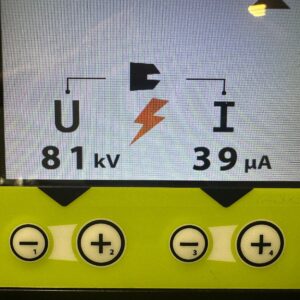
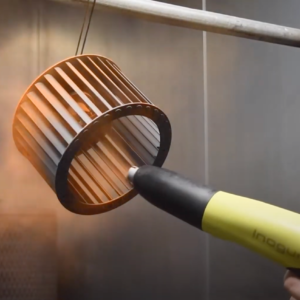
- Dormants/illusions have metallic flakes in their makeup, making the coating “extra conductive” when applying to the substrate. Start at a midrange electrical setting and adjust them until you get proper adhesion. If the powder is repelling off the part or back-ionizing, decrease your electrical settings and increase the pneumatic settings. If the powder is not adhering whatsoever, increase the electrical settings.
- A good rule of thumb for applying a clear coat over a dormant/illusion base is to ensure that the substrate appears ‘completely white’ after the clear coat is applied, indicating an even color transfer as it cures.
- Variations in the thickness of the clear coat can result in significant color variations. Generally, areas without sufficient clear coat coverage will have a lighter color and can possibly show “spots” similar to what is seen in back-ionization. If there is an uneven coloration after the clear coat is cured, adding another clear coat will not resolve the issue.
The Role of Clear Coats
Clear coats play a crucial role in creating the final appearance of dormant/illusion powder coatings. They can intensify depth and gloss, provide a matte or satin finish, and offer additional protection.

Looking at this picture, the center two caps appear lighter than their counterparts. This is due to the type of clear coat applied, which affects the final color finish. As you can see, both SD Low Cure Clear and Wheel Clear have a “golden chrome” appearance, compared to the other pieces, which have a “deeper gold” appearance. This is due to the pigment transfer process, which is affected by the composition of the clear coat on how it pulls the color through.
Wheel Clear uses an acrylic resin system, which has a lower molecular weight and retains less pigmentation than a polyester system. Although the Low Cure Clear is a polyester coating, its low cure properties result in a shorter gel phase, allowing less time for pigment to develop before the cross-linking stage commences. In contrast, standard clear coats such as Super Mirror Clear, SD Wet Clear, Gloss Clear, and Crystal Clear have a higher molecular weight and longer gel period, allowing more pigment to be retained.
Temperature Considerations
Temperature control during the curing process is critical for achieving the desired color and finish. Deviations from the optimal temperature range can lead to issues such as under-curing, over-curing, and color inconsistencies. The duration of the curing process is another critical factor that influences the final color and quality of dormant/illusion powder coatings.
- Recommended Cure Time: When it comes to curing your powder coating, it is important to follow the manufacturer’s specifications for time and temperature to ensure a successful outcome. This is because the recommended cure schedule is carefully designed to achieve the optimal finish, and deviating from it can lead to subpar performance, uneven finishes, or even coating failure.
- Under-Curing: Shortening the cure time can result in an incomplete curing process, leading to a finish that is brittle and less durable. Under-cured coatings may also exhibit color inconsistencies and a lack of full vibrancy. In some cases, the clear coat can even randomly start cracking which is a phenomenon known as “spider-webbing”.
- Over-Curing: Extending the cure time beyond the recommended duration can also negatively impact the finish. Over-curing can cause the pigments to degrade, resulting in a less vibrant or altered color.
In conclusion, dormant/illusion powder coatings offer a unique combination of visual appeal and durability. While the application process is more complex and requires precise control, the resulting finishes are unmatched in their sophistication and impact. By understanding the properties and application techniques of these coatings, businesses can leverage their full potential to create products that captivate and last.